Scar release is a specialised physiotherapy treatment designed to restore movement, reduce pain, and improve function in areas affected by surgical or traumatic scars. Whether from a C-section, mastectomy, or keyhole (laparoscopic) procedure, scar tissue can sometimes become tight, restricted, or uncomfortable.
While scarring is a normal part of healing, the tissue that forms is often less flexible than healthy tissue. This can lead to reduced mobility, altered sensation, and tension in surrounding areas. Scar release therapy helps address these issues and supports a more complete recovery.
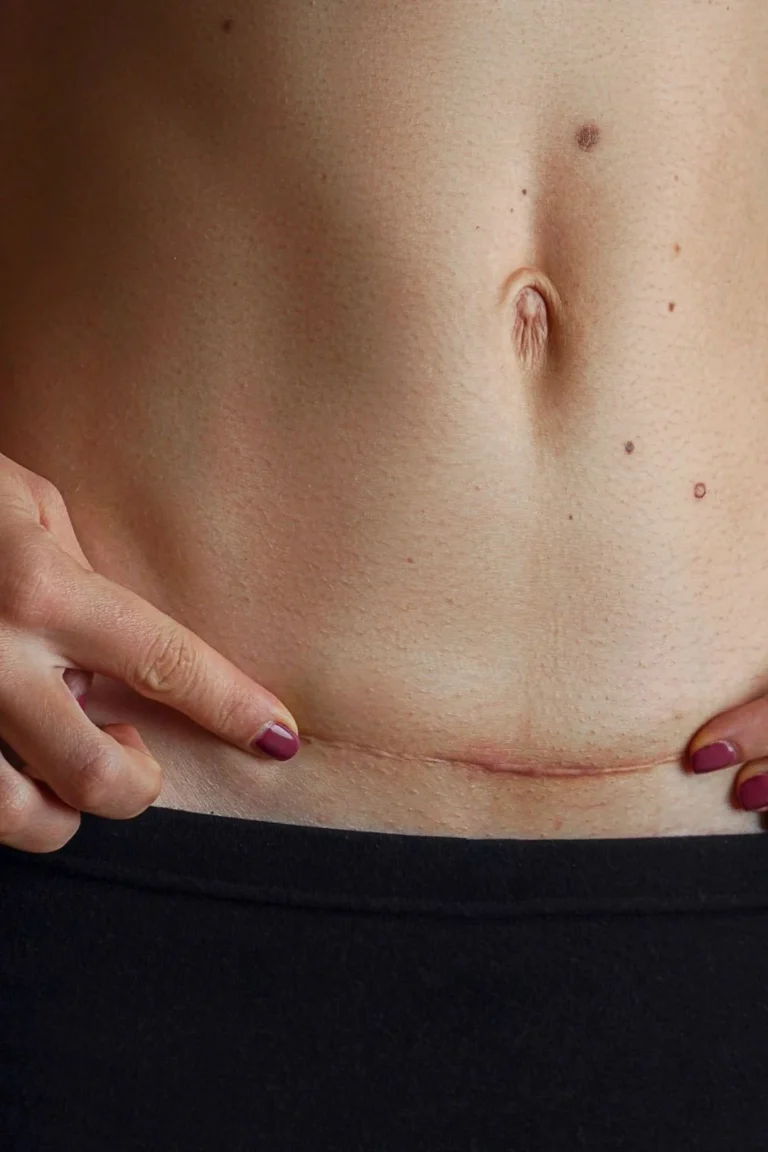
Why Scar Release is Important
Scars can form after many types of procedures, including:
- Caesarean sections
- Mastectomy or breast surgery
- Laparoscopic (keyhole) surgery
- Abdominal or pelvic operations
- Orthopaedic procedures
During healing, scar tissue may adhere to deeper layers such as fascia, muscles, or nerves. These adhesions can restrict normal movement and affect how the body functions as a whole.
You may benefit from scar release if you experience:
- Tightness or pulling around a scar
- Pain, sensitivity, or discomfort
- Numbness or tingling
- Restricted movement in the surrounding area
- Weakness or poor muscle activation
- Swelling or changes in tissue texture
- Ongoing discomfort months or years after surgery
Because the body is interconnected, a scar in one area can contribute to issues elsewhere, including the neck, back, or pelvis.
1. Scar Mobilisation Techniques
Scar mobilisation is a key component of scar release. These gentle manual techniques aim to improve movement between layers of tissue.
This may include:
- Lifting and rolling the scar
- Moving the skin in multiple directions
- Reducing adhesions between tissue layers
These techniques help restore normal glide between the skin, fascia, and underlying muscles, improving flexibility and reducing discomfort.
2. Fascial Release
Fascia is the connective tissue that surrounds muscles and organs throughout the body. After surgery, this system can become tight and restricted.
Fascial release techniques used in scar release therapy help to:
- Improve tissue mobility
- Increase circulation
- Reduce stiffness and tension
This ensures that both superficial and deeper restrictions are addressed for optimal recovery.
3. Movement and Strength Rehabilitation
After surgery, muscles around the affected area can become weak or difficult to activate. Scar release is often combined with rehabilitation exercises to restore strength and coordination.
Treatment may focus on:
- Improving muscle activation and control
- Restoring normal movement patterns
- Supporting a safe return to daily activities and exercise
For abdominal procedures, this may include targeted core strengthening, while upper body surgeries (such as mastectomy) may involve shoulder and posture rehabilitation.
4. Nervous System and Sensory Re-education
Scars can sometimes affect nearby nerves, leading to numbness, tingling, or altered sensation. Physiotherapy techniques can help desensitise the area and improve how the nervous system responds.
This may include:
- Gentle touch and desensitisation techniques
- Gradual exposure to movement
- Education on self-management strategies
Benefits of Scar Release
With consistent treatment, many people experience noticeable improvements in how their body feels and moves.
Benefits of scar release include:
- Reduced tightness and pulling sensations
- Improved flexibility and movement
- Decreased pain and sensitivity
- Better muscle activation and strength
- Improved posture and body awareness
- Enhanced appearance and softness of the scar
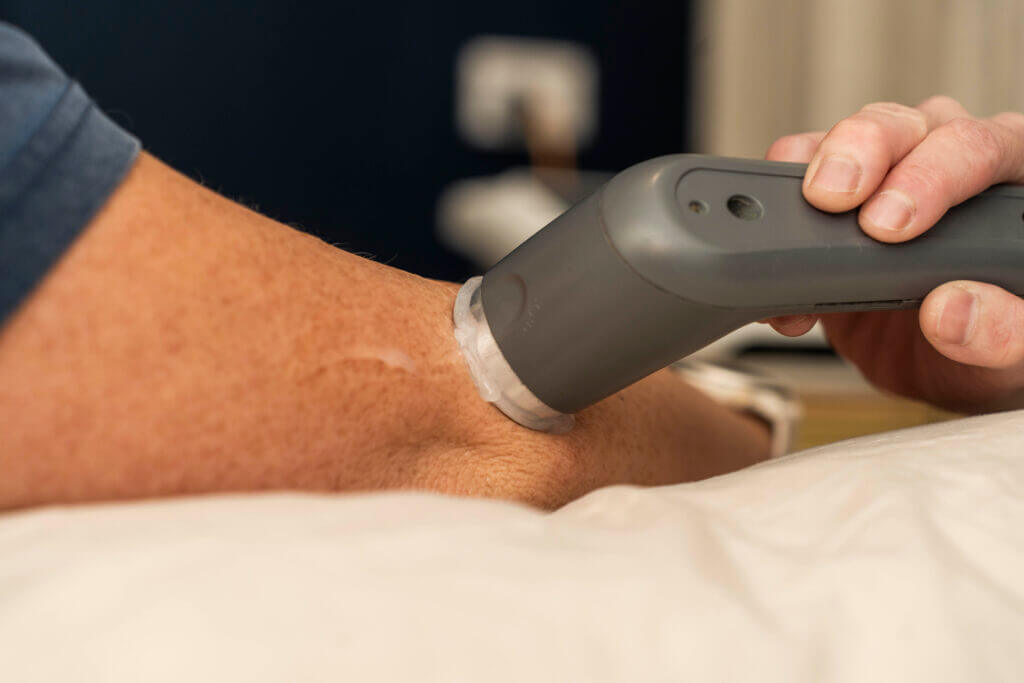
When to Start Scar Release Treatment
Scar release can generally begin once the wound has completely healed and there is no remaining risk of infection. For many surgical procedures, this is typically around 6–10 weeks after surgery, although the exact timing depends on the type of procedure and individual healing factors.
It is also important to know that it is rarely “too late” to address a scar. Even scars that are months or years old may respond to treatment, potentially improving mobility, reducing discomfort, and enhancing overall function.
At Wellers Hill Physio, treatment is provided by Emily, who has specific training in assessing and treating scar tissue.