What is the TMJ?
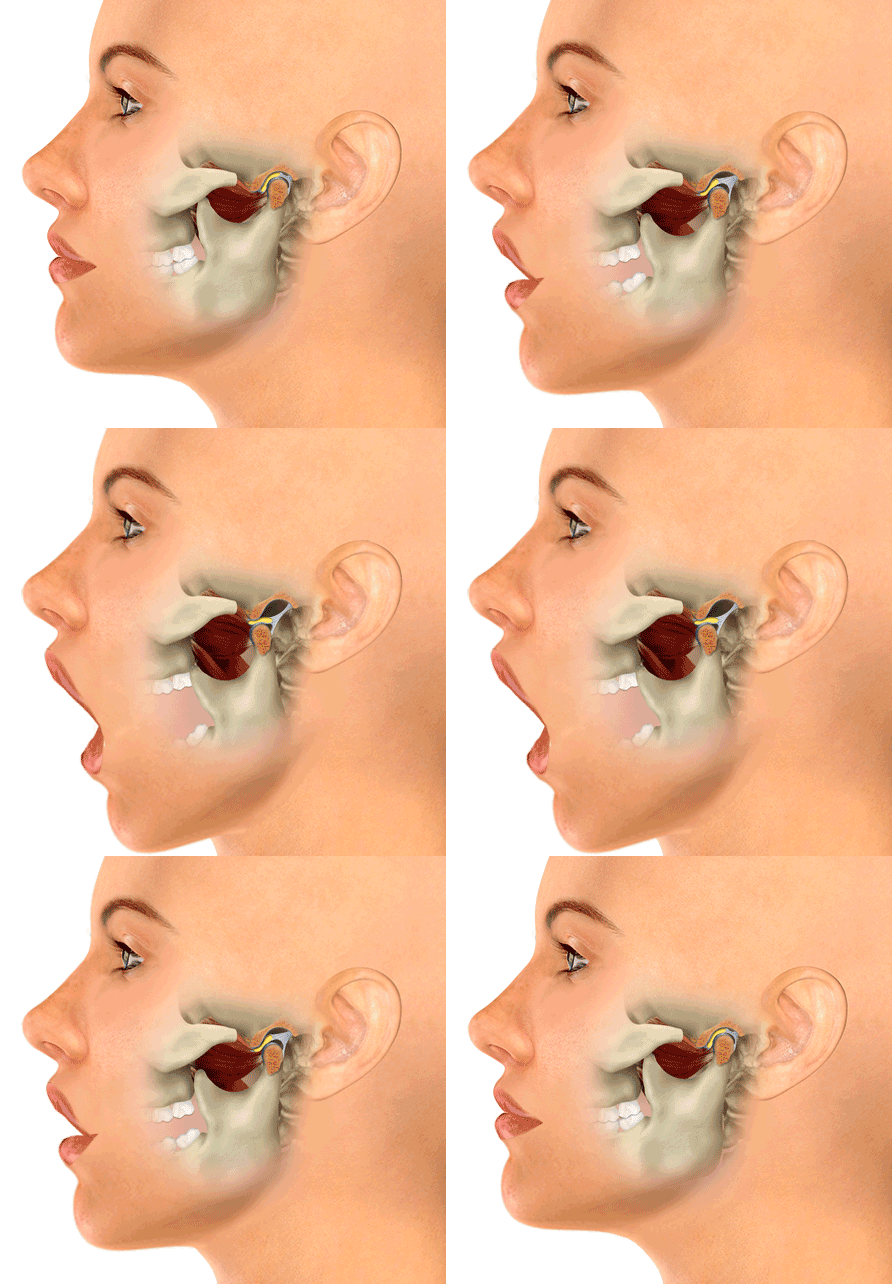
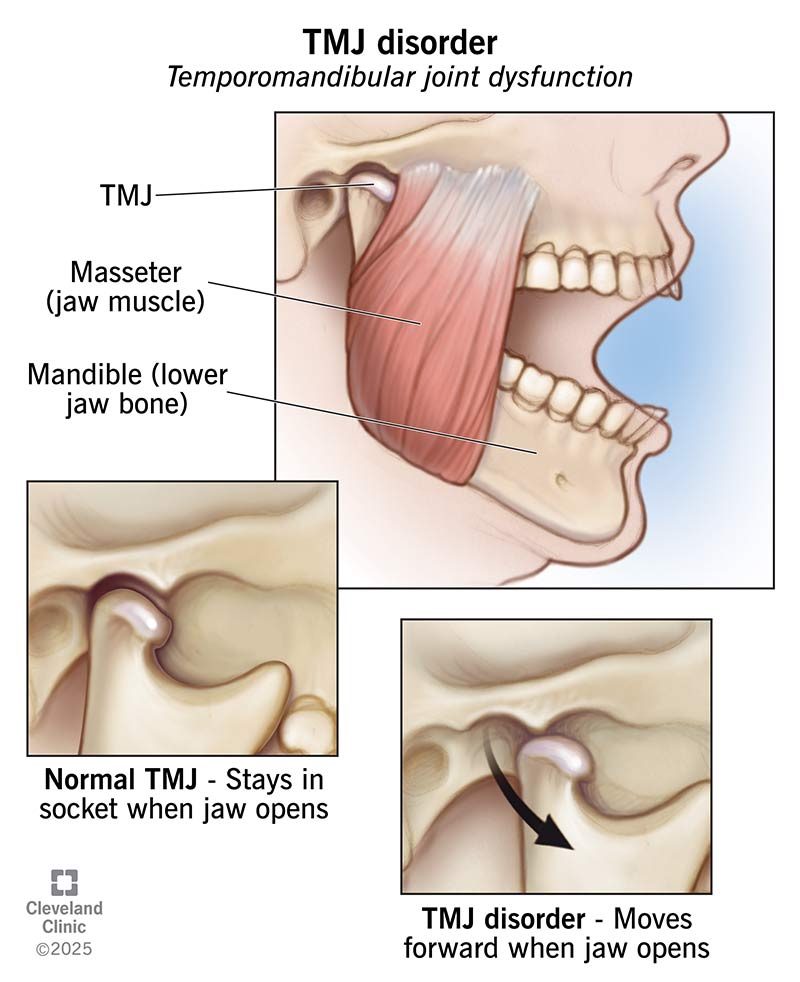
The temporomandibular joint (TMJ) is located just in front of each ear and connects the lower jaw (mandible) to the skull. It is one of the most frequently used joints in the body and is responsible for the movements required for everyday activities such as speaking, chewing, yawning, and swallowing.
The TMJ works together with several surrounding muscles, ligaments, and cartilage to allow smooth and controlled jaw movement. When this joint or the surrounding muscles become irritated, inflamed, or dysfunctional, it can lead to temporomandibular disorder (TMD).
This can cause symptoms such as jaw pain, clicking or popping sounds, headaches, stiffness in the jaw, and difficulty opening or closing the mouth. In some cases, people may also experience pain around the ear, face, or neck due to the close relationship between these structures.
What Causes Jaw Pain?
Jaw pain can develop for several different reasons. In many cases, it is caused by a combination of muscle tension, joint irritation, and lifestyle factors.
Common causes include:
Teeth clenching or grinding (often during sleep)
Stress and jaw muscle tension
Poor posture, particularly forward head posture
Neck stiffness or reduced neck mobility
Excessive chewing (such as chewing gum frequently)
Previous jaw or facial injury
Because the jaw and neck are closely connected, problems in the neck, shoulders, or upper back can also contribute. This is why physiotherapy often involves assessing not only the jaw, but also posture and neck movement.
How Physiotherapy Can Help?
Physiotherapy is a conservative and evidence-based treatment option for people experiencing jaw pain. Treatment focuses on improving the movement of the jaw joint, reducing muscle tension, and addressing contributing factors such as posture and neck stiffness.
A physiotherapist will assess how the jaw moves, how the surrounding muscles are functioning, and whether other areas of the body such as the neck or upper spine may be contributing to the problem. Because the jaw and neck work closely together, treating both areas often provides the best results.
Physiotherapy treatment may involve a combination of hands-on therapy, targeted exercises, and education to help restore normal jaw function and reduce pain.
Hands on Treatment
Physiotherapy techniques may include:
Soft tissue release for tight jaw and neck muscles
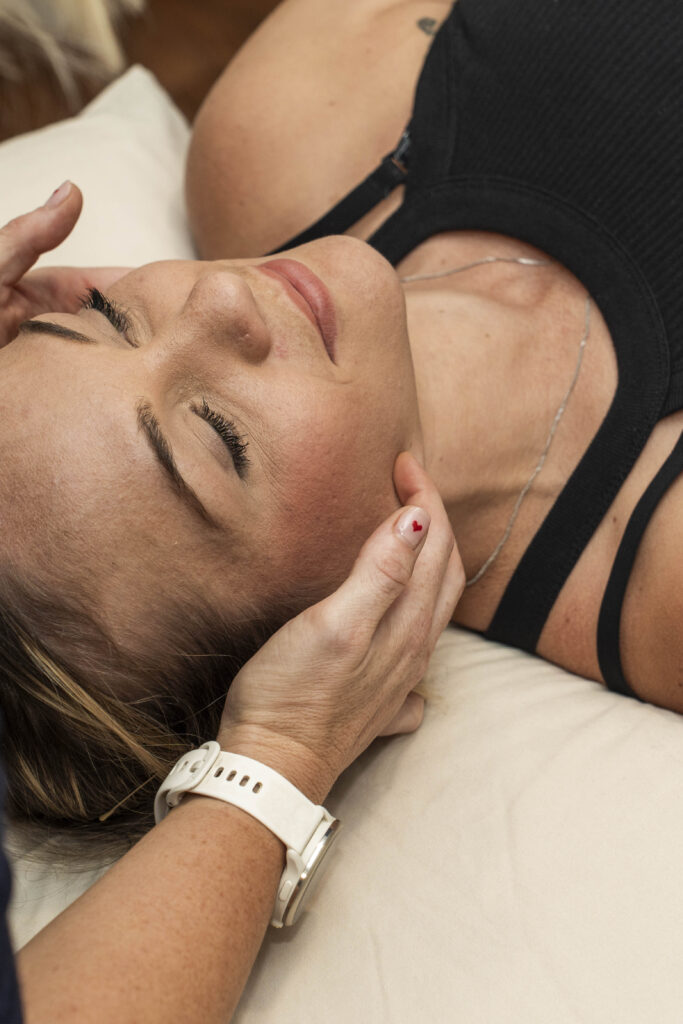
Gentle joint mobilisation to improve jaw movement
Treatment of the neck and upper spine
Manual therapy has been shown to reduce muscle tension and improve joint mobility
Jaw Exercises
Specific exercises help with
- Improve jaw mobility
Restore normal movement patterns
Strengthen the muscles that stabilise the jaw
Exercise-based physiotherapy programs are commonly used to improve range of motion and reduce pain
Posture and Neck Treatment
The jaw and neck are closely connected. Poor posture — particularly forward head posture — can place additional strain on the muacles.
Your physiotherapist will assess and treat:
Neck alignment
Shoulder positioning
Upper back posture
Workstation ergonomics
Research shows that treating both the jaw and cervical spine can significantly improve symptoms
Education and Habit Modification
Certain habits can aggravate symptoms. Your physiotherapist will help you identify and modify these.
Common aggravating habits include:
Teeth clenching or grinding
Excessive gum chewing
Nail biting
Sleeping positions that strain the jaw
Addressing these factors is an important part of long-term recovery.
Signs You Might Have TMJ Dysfunction
You may benefit from an assessment if you experience:
Jaw pain lasting more than 1–2 weeks
Difficulty opening your mouth fully
Clicking or popping in the jaw with pain
Jaw locking
Headaches related to jaw tension
Pain around the ear or face
If you are experiencing jaw pain, clicking, or difficulty opening your mouth, physiotherapy may help.
Early treatment can help reduce pain, restore normal jaw movement, and prevent long-term problems.
At Wellers Hill Physio, TMJ treatment is provided by Emily, who has specific training in assessing and treating jaw dysfunction.