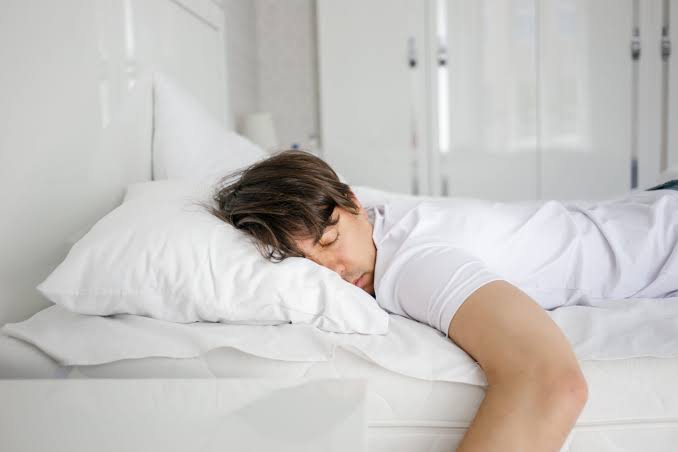
Why your recovery starts at night!

When we think about improving physical performance, we often focus on exercise, strength training, nutrition and rehabilitation. But there’s another important part of the equation that can easily be overlooked: sleep.
For athletes, active individuals and people recovering from injury, sleep is more than simply time spent resting. Quality sleep plays an important role in physical and psychological recovery and can influence how well your body performs the following day.
The Australian Institute of Sport describes sleep as a critical strategy for both physical and psychological recovery.
So, if you’re training hard, working through a rehabilitation program or simply trying to move and feel better, how well you sleep could be an important part of your recovery strategy.
How Does Sleep Affect Physical Performance?
Poor sleep can affect several aspects of physical performance, including:
- Strength
- Endurance
- Speed
- Explosive power
- Coordination and motor skills
- Reaction time
- Perceived exertion
A systematic review and meta-analysis found that acute sleep loss was associated with an overall reduction in exercise performance. Across the studies analysed, performance decreased by an average of approximately 7.5% following sleep loss, although the effects varied depending on the type of exercise and the pattern of sleep restriction.
More recent research has similarly found that sleep deprivation can negatively affect aerobic endurance, maximum force, explosive power, speed and skill control, while also increasing perceived exertion.
In simple terms, the same workout may feel harder when you haven’t slept well.
This can be particularly important for sports and activities that require quick reactions, coordination, technical skill and repeated high-intensity efforts.
Sleep and Recovery From Exercise
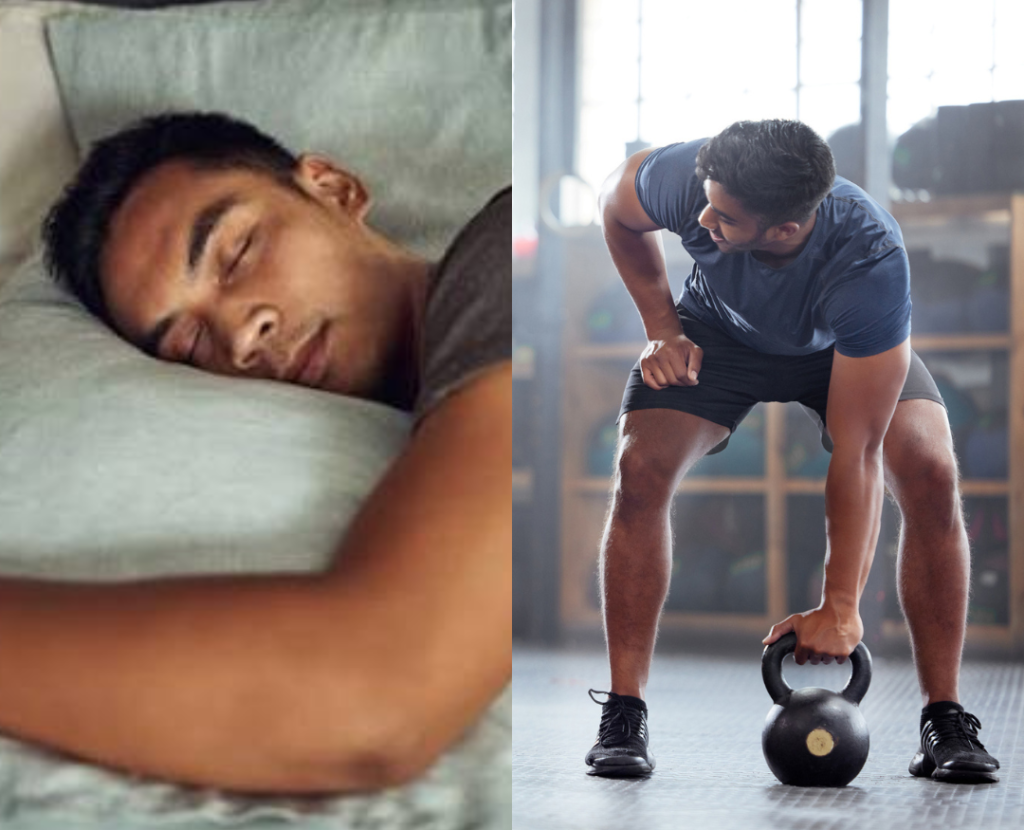
Exercise places stress on the body. That stress is an important part of getting stronger and fitter, but recovery is what allows your body to adapt to the training stimulus.
Insufficient or poor-quality sleep may interfere with this recovery process. If you consistently train hard without giving your body enough opportunity to recover, you may notice:
- Increased fatigue
- Reduced training quality
- Lower motivation
- Difficulty maintaining your usual performance
- Longer recovery between sessions
Research involving athletes suggests that increasing sleep duration, including through sleep extension or appropriate naps, may be an effective strategy for improving sleep and subsequent physical or cognitive performance.
This is particularly important during physiotherapy and injury rehabilitation. If you’re consistently tired, it may be harder to perform exercises with the concentration and effort needed to make progress. Poor sleep may also affect how you experience pain and fatigue.
It's Not Just About How Long You Sleep
Sleep duration matters, but sleep quality and consistency matter too. Factors that can interfere with sleep include:
- An inconsistent sleep schedule
- Screens before bed
- Caffeine late in the day
- Alcohol
- Stress and anxiety
- Noise, light or an uncomfortable sleep environment
- Training late at night

What If You Sleep Poorly?
One bad night’s sleep doesn’t necessarily mean you need to skip training. However, if you’re significantly fatigued, consider reducing the intensity or volume of your session. This is especially important for activities requiring coordination, reaction speed or technical skill.
Listen to your body and consider your overall recovery rather than focusing on one night’s sleep alone.
5 Simple Ways to Improve Sleep
1. Keep a consistent schedule
Aim to go to bed and wake up at similar times each day.
2. Create a relaxing pre-bed routine
Wind down with activities such as reading, stretching or breathing exercises.
3. Optimise your bedroom
Keep it dark, quiet and comfortable, with minimal disruptions.
4. Watch your caffeine intake
Afternoon or evening caffeine may affect your sleep, particularly if you’re sensitive to it.
5. Balance training with recovery
More training isn’t always better. Give your body enough time to recover between sessions.
Sleep Is Part of Your Performance Plan
Whether you’re returning to sport, improving gym performance or recovering from injury, sleep should be considered part of your recovery strategy.
Exercise provides the stimulus. Recovery allows your body to adapt. Sleep is a key part of that process.
If you’re consistently experiencing poor sleep, fatigue, reduced performance or difficulty progressing through rehabilitation, speak with your physiotherapist or another appropriate healthcare professional.
Key takeaway: Don’t underestimate sleep. Prioritising consistent, good-quality sleep can be a simple but valuable way to support your performance, recovery and rehabilitation.